
Assisted Hatching At Anwesha
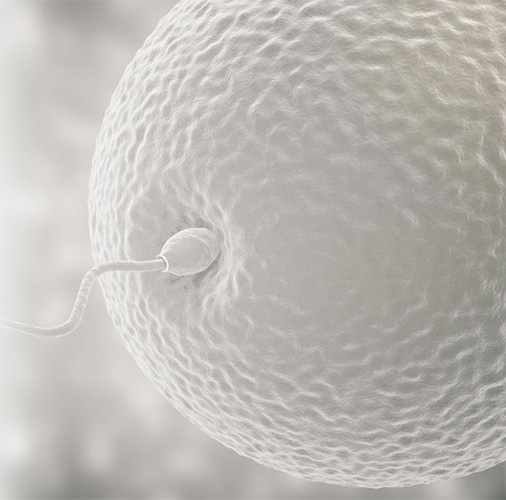
Assisted hatching is a lab technique used in IVF treatments to help embryos implant into the uterus. During the procedure, an egg is fertilized outside the body, creating an embryo. This embryo is surrounded by a protective shell called the zona pellucida.
Who Might Benefit from Assisted Hatching?
We recommend it for certain individuals undergoing IVF:
-
Previous IVF Failures
If you've had unsuccessful IVF attempts, assisted hatching might improve implantation chances. -
Advanced Maternal Age
Women over 35 often experience thicker zona pellucida. It makes hatching harder. Assisted hatching can help in these cases. -
Poor Embryo Quality
Embryos with slow development or abnormal zona pellucida may benefit from this technique. -
Frozen-Thawed Embryos
Freezing can harden the zona pellucida. Assisted hatching can aid in successful implantation.
Assisted Hatching Procedure We Follow at Our Clinic
Here’s how our assisted hatching procedure:
Physical Assisted Hatching: Easing the Path for Your Embryo
In some cases, the embryo’s outer shell (zona pellucida) is too thick, making it difficult to implant. Physical assisted hatching involves carefully thinning this outer layer using a precise microneedle. This small opening gives the embryo the help it needs to attach to the uterine lining, increasing the chance of a successful pregnancy.
- Women over 35, as embryos naturally develop a thicker shell with age.
- Patients with previous failed IVF cycles.
- Embryos that appear to have a harder outer shell under microscopic evaluation.
Biochemical Assisted Hatching
For a more delicate method, biochemical-assisted hatching uses special enzymes to gently soften the embryo’s outer layer. This creates a natural thinning effect, allowing the embryo to hatch on its own when the time is right.
- A softer, more gradual hatching process is preferred.
- Embryos need additional support but without direct physical intervention.
Laser Assisted Hatching
The most advanced and widely used technique, laser-assisted hatching, offers a safe, controlled way to help the embryo break free from its shell. Using a focused laser beam, we create a tiny opening in the zona pellucida, making it easier for implantation to occur.
- It’s quick, precise, and minimizes handling of the embryo.
- It reduces stress on the embryo, increasing the chances of successful implantation.
- It’s especially effective for frozen embryos, which may have a harder shell.
How does laser-assisted hatching Perform at our clinic?
Here’s how we carefully perform the laser-assisted hatching procedure at our clinic:
Step 1: Preparing the Embryo in a Controlled Environment
We place the embryo in a monitored laboratory setting to ensure optimal conditions for the procedure.
Step 2: Positioning the Embryo for Precision
We use a high-powered microscope to gently position the embryo to target the outer shell without disturbing its delicate inner structure.
Step 3: Using a Focused Laser Beam for Accuracy
A precisely controlled laser beam is applied to create a small opening in the embryo’s protective outer shell.
Step 4: Ensuring Minimal Embryo Stress
The laser process is quick and gentle, reducing handling time to keep the embryo stable and unharmed.
Step 5: Verifying the Hatch Opening Under Microscope
We carefully examine the embryo to confirm the opening is just right – enough to assist implantation without causing damage.
Step 6: Returning the Embryo to Ideal Culture Conditions
The embryo is placed back into an optimized environment for continued development after the hatching process.
Step 7: Preparing for Embryo Transfer
Once the embryo is ready, it is transferred into the uterus, increasing the chances of a successful pregnancy.
The chemical-assisted hatching
The chemical-assisted hatching procedure involves several steps:


A pipette containing an acidified solution is applied to create an opening in zona pellucida.


Success Rates and Benefits
Assisted hatching can increase implantation rates by 27-34% in women if the live birth rate is about 28% (for those not using assisted hatching). Women over 35 and those with previous IVF failures often see the most significant benefits.
This procedure may improve your chances of pregnancy if you have embryos with thick zona pellucida or are undergoing frozen embryo transfer. Recent studies show improved clinical pregnancy rates in patients with multiple failed IVF cycles who used Assisted Hatching. It is imperative to consult with your fertility specialist to determine if assisted hatching is suitable for your situation.
Improve Your IVF Success
If you’re considering assisted hatching, schedule a consultation with our fertility specialists. To create a treatment plan, we’ll assess your medical history, previous IVF attempts, and overall health. We aim to support you through every step of your fertility journey, providing medical expertise and emotional support.
Why Choose Anwesha IVF Clinic for Assisted Hatching?
You may choose us at Anwesha because –
- We use the latest laser-assisted hatching technology for the best results
- Our embryologists have extensive training and experience in micromanipulation techniques
- Dr. Biplab Deb and our team personalize your treatment plan based on your specific fertility factors
- We maintain strict laboratory protocols to ensure optimal conditions for your embryos throughout the process.
FAQ
What is assisted hatching?
Assisted hatching is used in IVF to help embryos implant into the uterus by creating a small opening in the embryo’s outer shell.
Who should consider assisted hatching?
It may be beneficial for individuals with previous IVF failures, women over 35, those with poor embryo quality, or when using frozen-thawed embryos.
How is assisted hatching performed?
An embryologist creates a small opening in the embryo’s outer shell using mechanical, chemical, or laser techniques to assist in implantation.
We at Anwesha IVF Clinic can offer the highest quality care and the latest fertility treatments to help you achieve your dream of parenthood.
